
Workshop
Workshop research is done to explore opportunities. Prototyping, sketching and co-creation activities are all ways to gain insights in what is possible and how things could work.
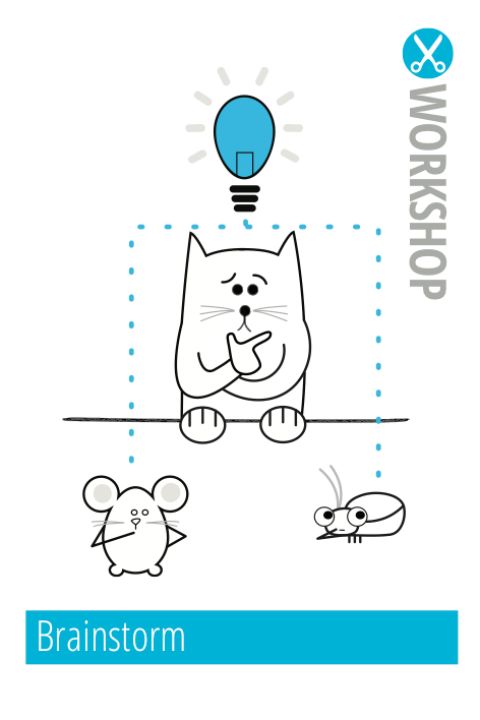
Brainstorm
Why? Generate and develop new ideas.
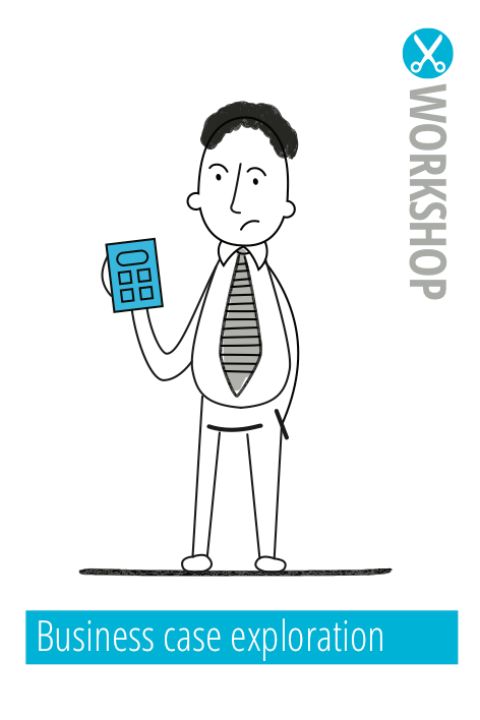
Business case exploration
Why? Maximize the outcome of your efforts or investment.
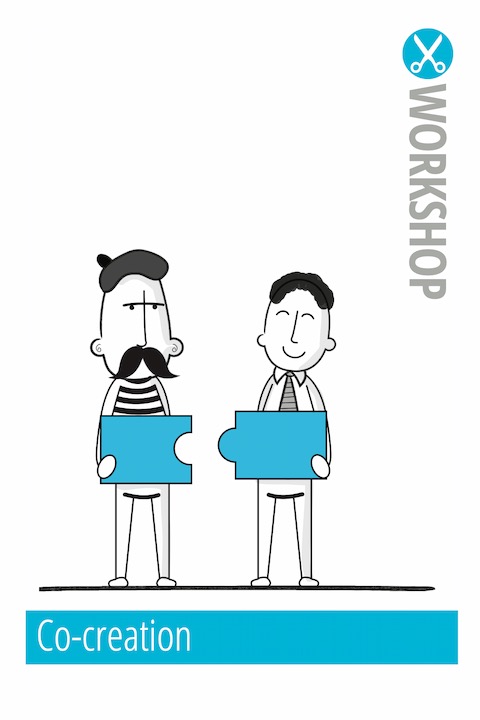
Co-creation
Why? To gain inspiration from your users by involving them in the development process.
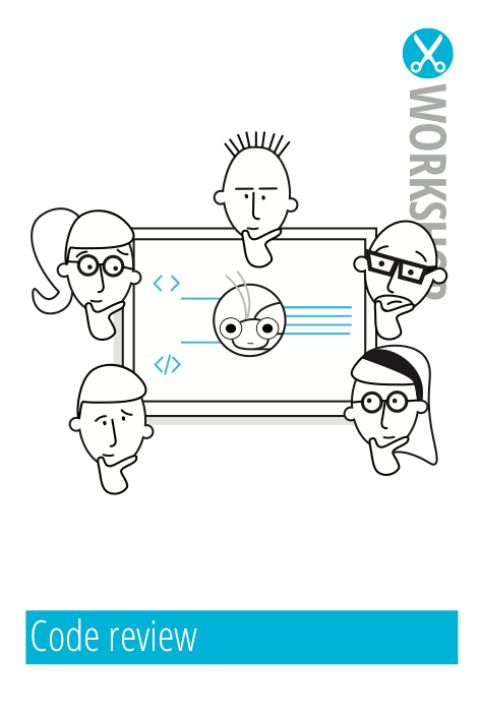
Code review
Why? With many eyeballs on the code, all bugs are shallow. Colleagues can help you find bugs and improve the quality of your source code.
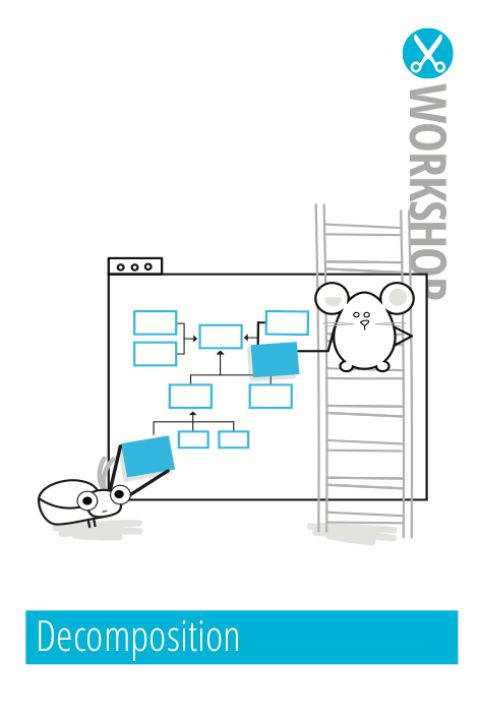
Decomposition
Why? Breaking a complex IT system or problem into smaller parts ensures its maintainability and robustness, and facilitates cooperation in large-scale software projects.
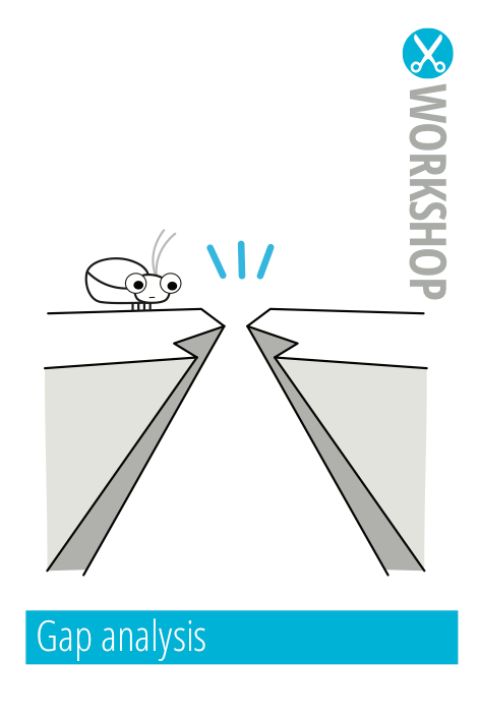
Gap analysis
Why? Compare an actual situation to an ideal or desired situation. The gap analysis can be used to create plans to bridge the gaps.
Hackathon
Why? To find new solutions, be able to try them out quickly and involve many people in your challenge.
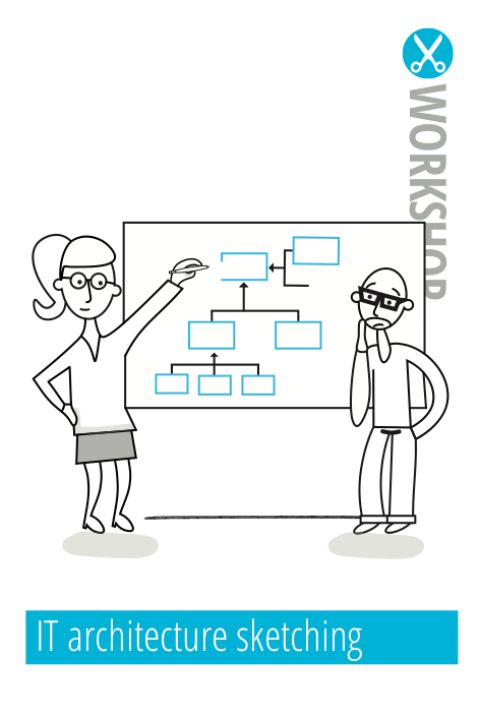
IT architecture sketching
Why? Defining the IT architecture is complex and requires contributions from and interactions between software designers and/or architects. Sketching facilitates these discussions.
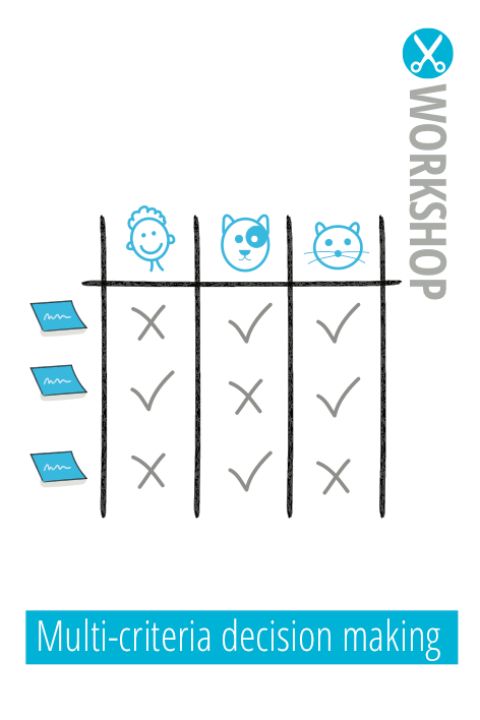
Multi-criteria decision making
Why? Improve the quality of complex decisions
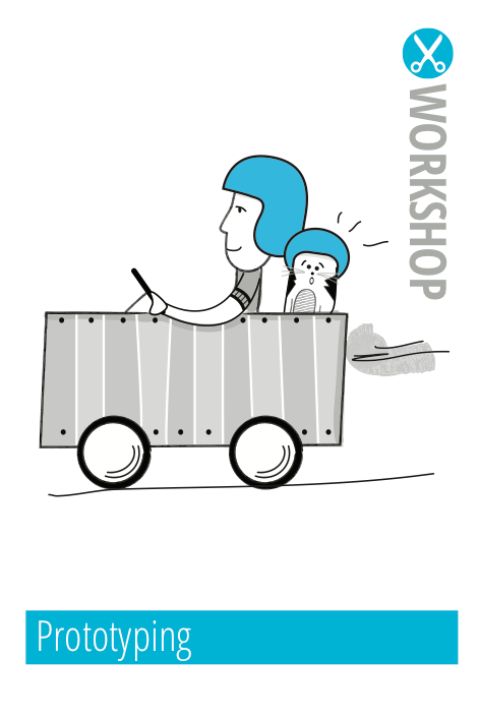
Prototyping
Why? Develop, evaluate or communicate a concept, design or problem solution to make your ideas concrete, to learn whether they work and to discover the technical limitations or possibilities.
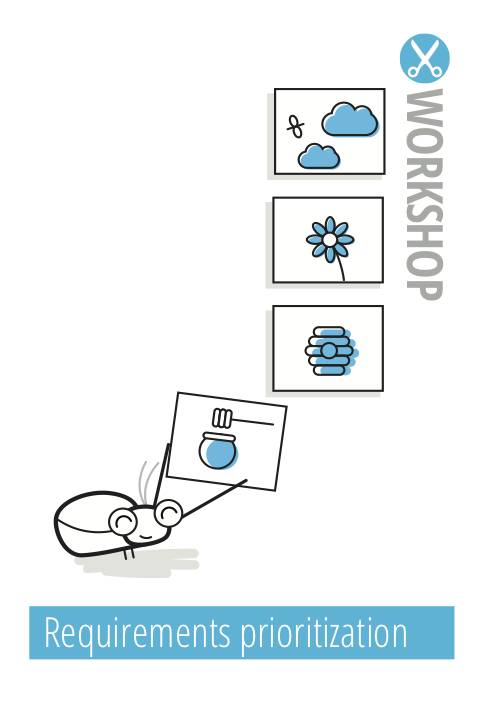
Requirements prioritization
Why? To define and weigh the requirements of a new design or redesign, considering the interest of all concerned stakeholders.
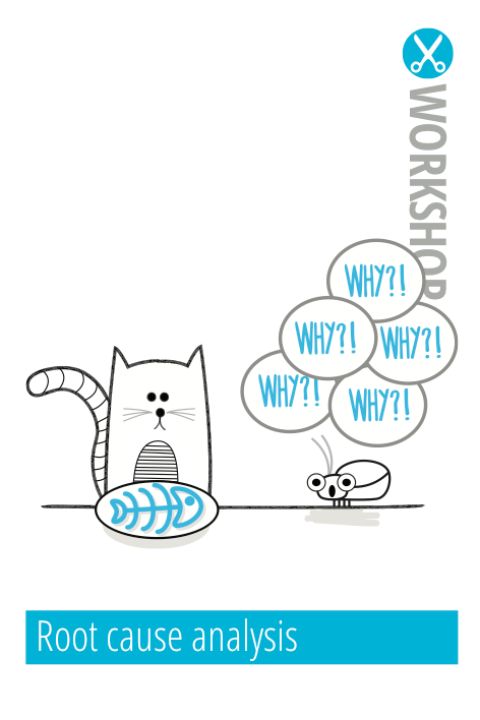
Root cause analysis
Why? Understand why a problem occurs and prevent it from happening again.
Silicon sampling
Why? Understanding how technology changes people is difficult — many effects are unexpected and not immediately visible. Large Language Models (LLMs) can serve as a tool to broaden perspectives, using their knowledge of cultural, social, and historical patterns found online. By sampling diverse voices and situations through LLM prompts, participants can surface both likely and unlikely consequences of a technology. These insights feed directly into design choices and support more responsible innovation.