
Field
Field research is done to explore the application context. You apply a field strategy to get to know your end users, their needs, desires and limitations as organizational and physical contexts in which they will use your product.
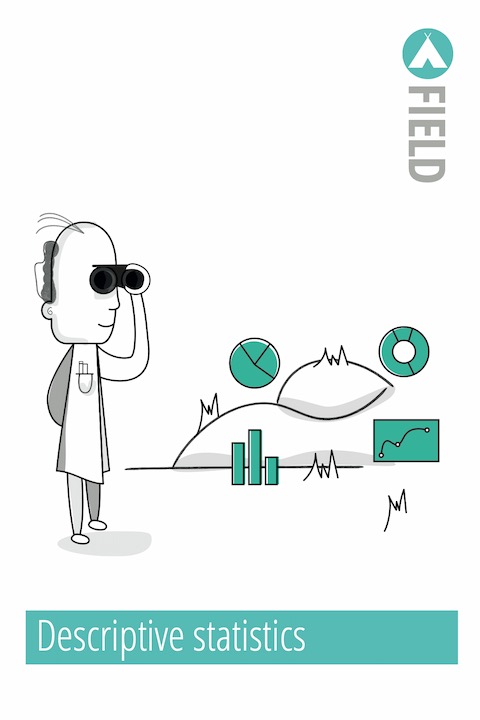
Descriptive statistics
Why? To get an overview and summary of a dataset.
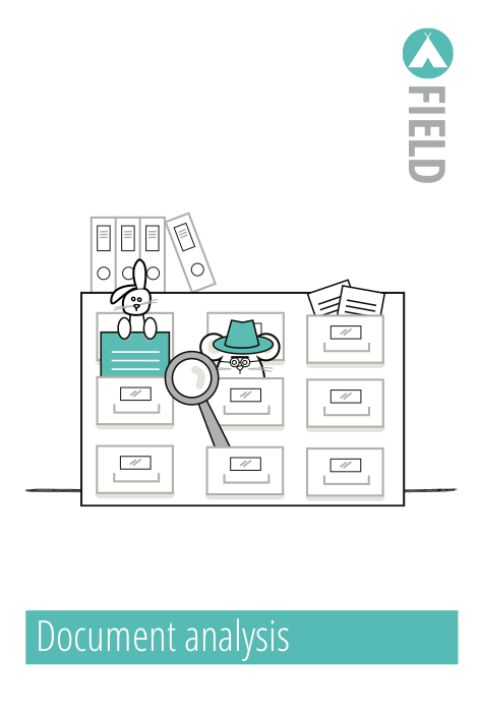
Document analysis
Why? Documentation produced by the company can be a great first resource for understanding the organisation you are working for and their work processes.
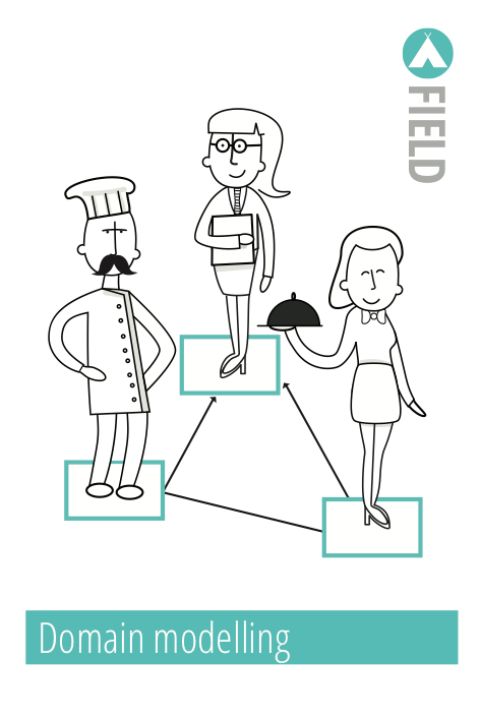
Domain modelling
Why? Map the domain that your product will be part of, so you know the key concepts and the relations between them.
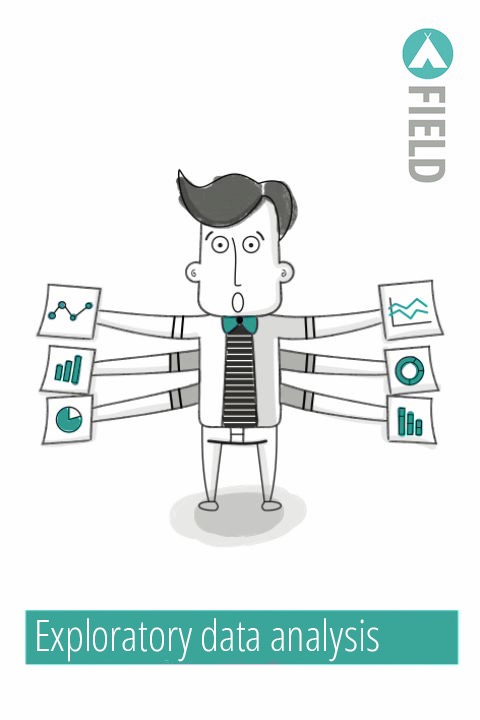
Explore user requirements
Why? Get a detailed view of how users will be using your solution and what their requirements are.
Focus group
Why? A focus group discussion is an efficient way to gain insight into how people think about an issue, without having to interview each person separately.
Human impact score
Why? If you create technology you change people and you change how people look at the world. You make moral decisions. Researching how your technology changes people and designing for that change improves the chance for a technology with the intended (positive) impact and with that the acceptance of the technology as a whole

Interview
Why? Learn from potential users of your new product and other stakeholders
Observation
Why? Get a feeling for how your intended users will use your product by unobtrusively observing them in their natural environment, doing the things they always do.
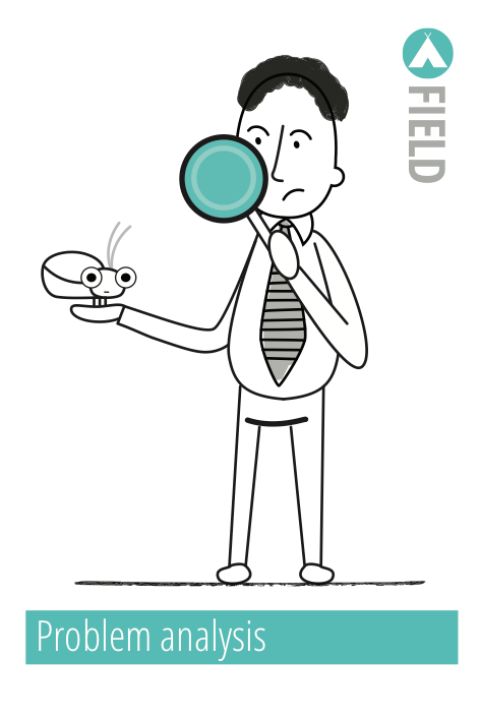
Problem analysis
Why? Before solving a problem, it is important to understand it. Moreover, problem analysis ensures that you are not solving the wrong problem.
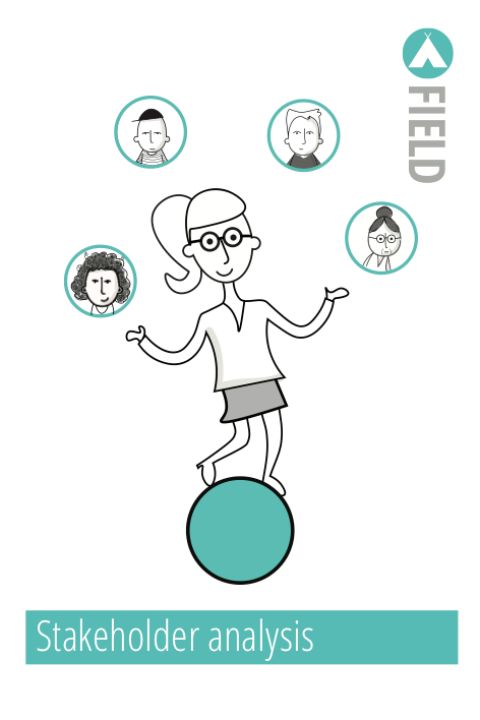
Stakeholder analysis
Why? Identify the stakeholders and ensure that their needs are considered.
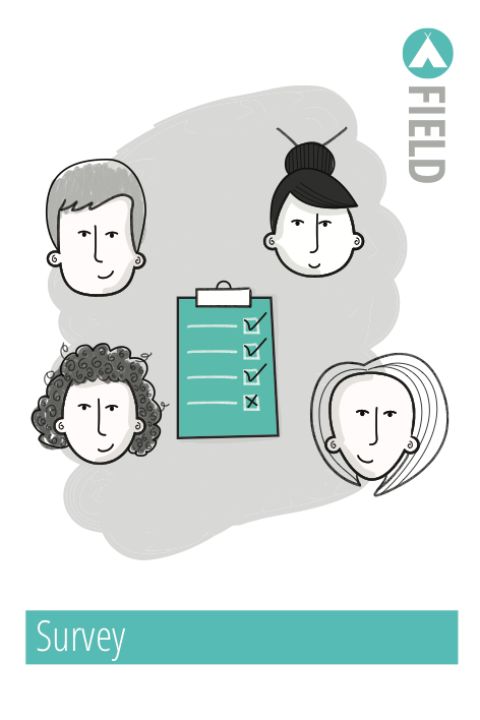
Survey
Why? Collect information (mostly quantitative) from a large sample of your target group
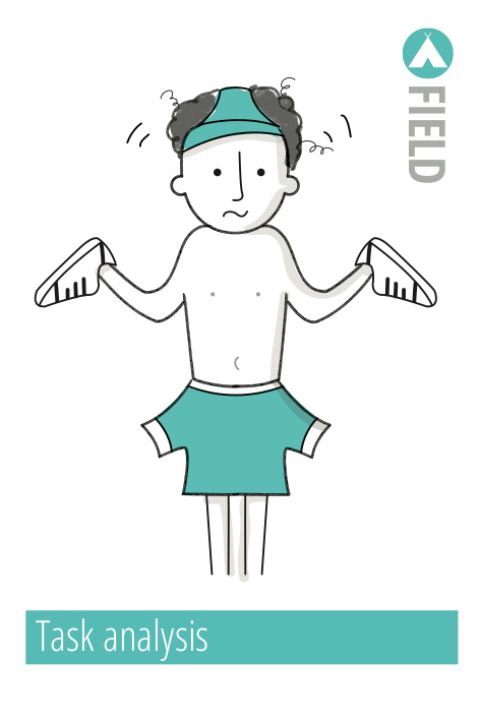
Task analysis
Why? Understand the structure, flow or other aspects of a certain task. Task analysis focuses on what end users actually do to achieve their goals.